Protect
Finding a clean cell is half the job. The other half is what you do about the hazards you can't just move away from — at a place you're still deciding on, or the one you already live in. Every card below pairs one factor the map scores with the concrete, mainstream step that actually reduces it: sourced. Read the mechanism behind any of them in the linked brief.

Air
Indoor air is the one hazard you have the most direct control over, regardless of what's outside.

Filter the air you actually breathe
A true HEPA (H13) purifier sized to the room, or a MERV-13+ furnace filter if you have central air, does most of the work; indoor PM2.5 tracks outdoor levels closely once windows are shut.
Read the brief →
Time your ventilation
Both peak with traffic and midday sun. Air out early morning or after rain, avoiding rush hour, and keep intake vents away from the road-facing side of the building.
Read the brief →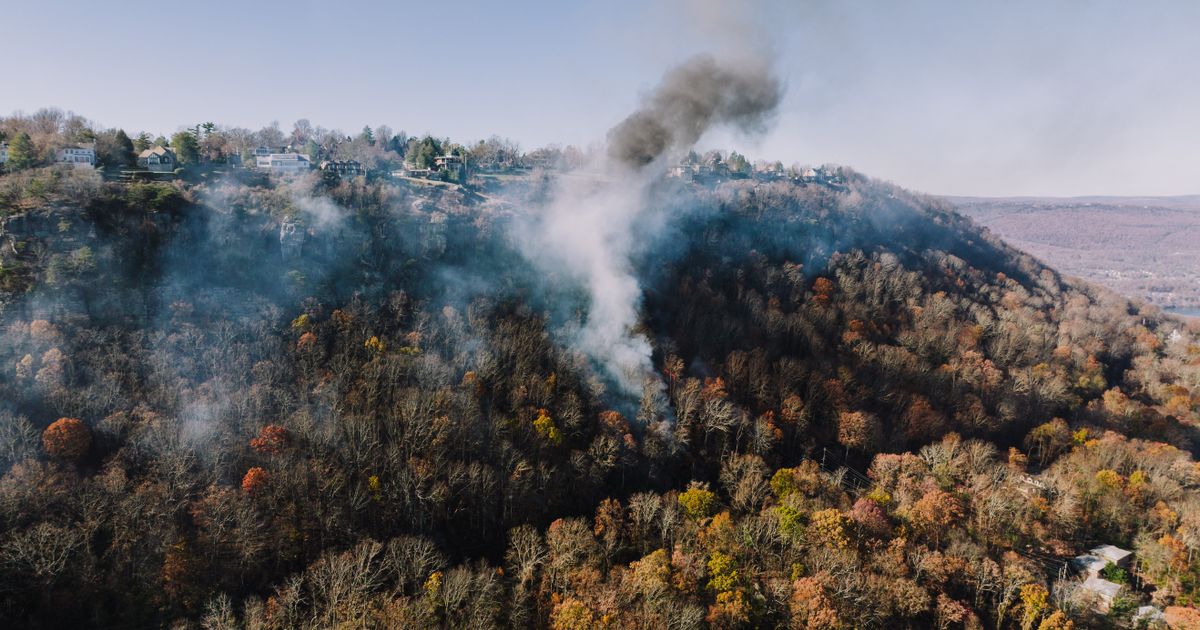
Seal up before the smoke arrives
Weatherstrip doors and windows and pre-run a HEPA purifier once a smoke advisory is issued for your region, smoke PM2.5 travels thousands of kilometres from the actual fire.
Read the brief →Water & radon
What comes out of the tap and up through the floor.

Test first, then mitigate
A 90-day test kit is the only way to know your actual number. Above the EPA/WHO action levels, a certified contractor fits a sub-slab depressurisation system, typically a single vent pipe and fan; retest after install.
Read the brief →
Match the treatment to the problem
Hard water: a point-of-entry ion-exchange softener. Soft, acidic water is the real corrosion risk to pipes and solder, a calcite/pH-neutralising filter addresses that instead.
Read the brief →
Filter at the tap, test the well
An NSF/ANSI 53 or 58 certified reverse-osmosis or activated-carbon unit handles lead, arsenic and nitrate at point of use. On a private well, an annual independent lab test is the only way to know what's actually in it.
Noise, flight & signal
The three factors that arrive through the building envelope.

Fix the envelope first
Secondary or laminated glazing (higher STC rating) and sealing draught gaps (sound leaks through the same paths as air) outperform anything short of moving the bedroom to the quiet side of the building.
Read the brief →
Check the corridor
Traffic runs in narrow corridors rather than circles around an airport; the same glazing and sealing fixes apply, and a house a few streets over from the flight path can be genuinely quiet.
Read the brief →
Distance already does the work
Field strength falls off with the inverse square of distance, and ICNIRP reference levels build in a large safety margin at any distance a person can stand. A low-cost RF meter can confirm your own reading if it matters to you.
Read the brief →Light, heat & UV
Sleep and heat load, both fixable from inside the building.

Block it, don't just dim it
Blackout curtains or blinds beat any screen setting. Outside, warm (under 3000K), shielded fixtures cut glare without losing the light you actually need at the door.
Read the brief →
Shade the building outside the glass
External shading (trees, awnings, exterior shutters) blocks heat before it reaches the glass; internal blinds only catch it after. Reflective roofing and peak-hour shade do the rest.
Read the brief →Ground & structure
Lower-frequency risks, higher-consequence fixes.

Non-structural first, structural if needed
Strapping the water heater and anchoring tall furniture is the highest-return step and a weekend job. Older unreinforced construction warrants a retrofit assessment from a licensed structural engineer.
Read the brief →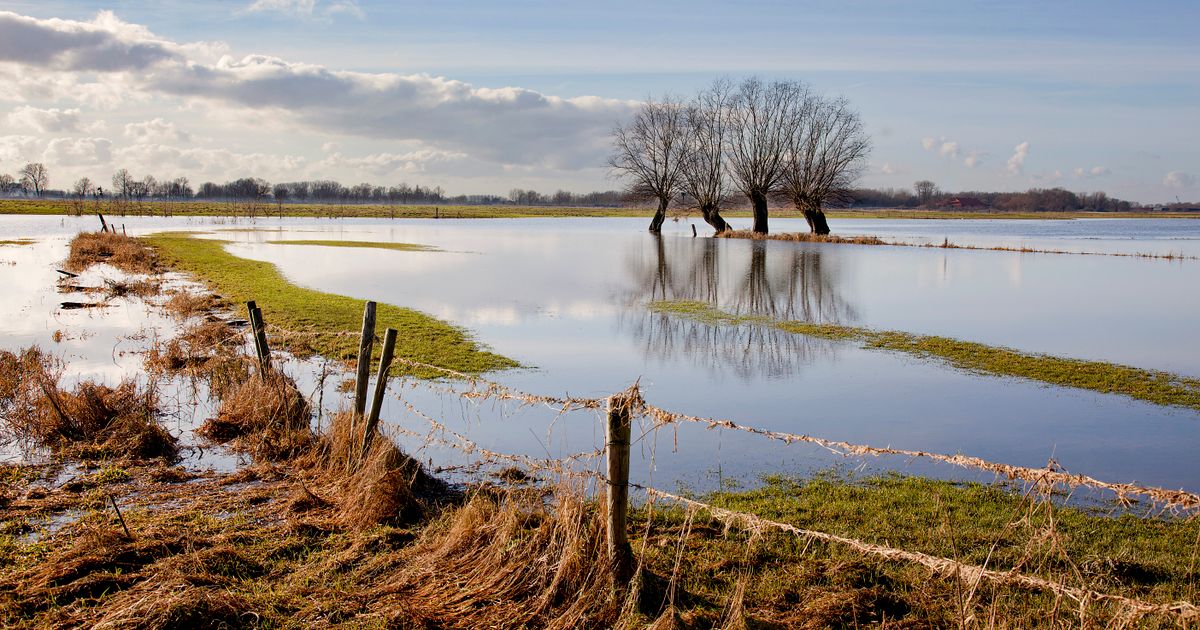
Insure past the mapped line
Most flood claims come from outside the official 1%-chance zone. Flood cover, elevated utilities, and a known evacuation route are the three moves that hold regardless of what the map says.
Read the brief →
Defensible space around the structure
A cleared, ember-resistant zone in the first few metres of the building, ember-rated vents, and class-A roofing where available are what most home-survival studies point back to.
Industrial & community
The hazards with a paper trail, if you know where to look.

Monitor indoors, use the public registry
Indoor HEPA filtration and an air-quality monitor cover your exposure directly. The EPA Toxics Release Inventory and EU E-PRTR are public and searchable, and most jurisdictions have a right-to-know line for emissions or odour complaints.
Read the brief →
Know the corridor before you need to
Potential-impact radii and hazmat corridors are public record. Knowing yours in advance (not during an incident) is the entire value of checking it once.
Read the brief →This is general, public-standard guidance, the same category of advice found in EPA, WHO, ICNIRP and FEMA consumer material. None of it substitutes for testing your own property or hiring a licensed local professional. Costs, permits and contractor availability vary by jurisdiction.